By Eric Li
COVID-19 continues to ravage the world as laboratories continue to search for a vaccine. Upwards of 21 million people have come down with the virus, and to make matters worse, more than 760 thousand people have died from the disease. As of August 15, 2020, only five possible candidates have made it to phase 3. A vaccine would typically take around a decade to pass clinical trials. However, with COVID-19, the process has been sped up, even in phase 3.
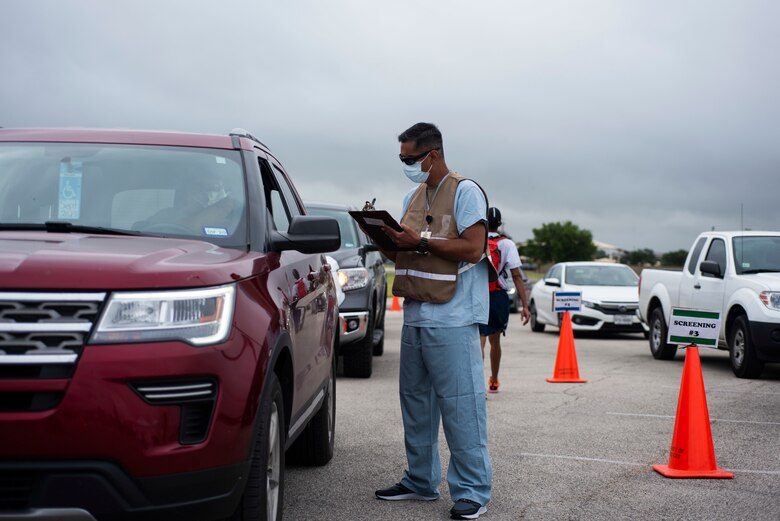
Phase 3 is known as the most important part of vaccine testing. During the third phase, the vaccine is given to thousands of people in regions where the virus hit the hardest to test for efficacy and safety. Unfortunately, only around 33% of drugs make it to phase 3, according to Antidote. Furthermore, phase 3 takes 1 to 3 three years to complete. Luckily, for the COVID-19 vaccine trials, this process has been sped up like never before.
One tactic that researchers are using to speed up phase 3 trials is through human challenge trials. In a human challenge trial, volunteers are given the virus that the vaccine is meant to prevent. So, instead of waiting to see whether or not the disease can still infect the volunteer with the virus, the patient goes straight to it to hasten the process. According to Vox.com, a University of Oxford team, which is currently in the third stage, is starting to develop a human challenge trial. This comes with pros and cons.
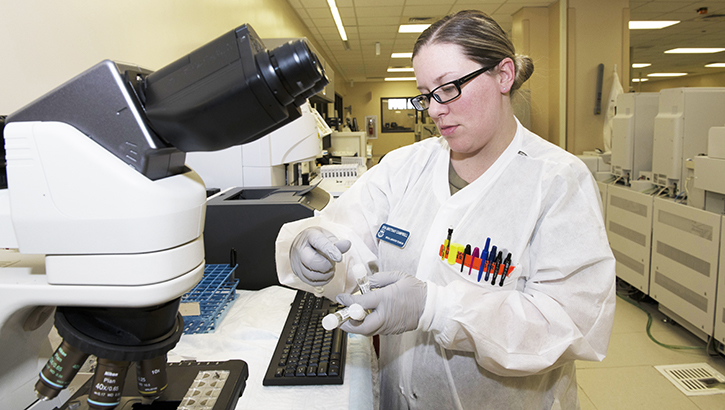
One of the pros is that human challenge trials can speed up the development of the vaccine. According to CNBC, the trials may speed up the vaccine testing process by several months. Another pro is that human challenge trials allow for testing even if the virus subsides. Finally, human challenge trials are done mostly on young people who are low risk from the virus.
On the other hand, one of the cons of human challenge trials is that there are no current vaccines for the COVID-19 virus. Finally, because the trials will mostly involve young individuals, it may not provide a clear picture of the vaccine’s effectiveness in older individuals.
We may never know what the future holds. Human challenge trials may never be needed if Phase 3 testing gets done faster; however, regardless of what the future holds, the world needs to act on this virus now before it continues to affect people.
To learn more:
https://www.fda.gov/patients/drug-development-process/step-3-clinical-research
 The Lost Canadian